

Cultural influences shaping global gambling perceptions
Historical Context of Gambling
Gambling has deep historical roots, dating back thousands of years across various civilizations. Ancient cultures, such as the Chinese, Egyptians, and Romans, engaged in forms of betting and games of chance, often intertwining these activities with religious and social practices. For instance, the earliest known gambling artifacts, including dice, have been discovered in archaeological sites, indicating that the allure of chance and risk has always been a part of human experience.
The development of gambling practices reflects cultural values and norms. In many societies, gambling has been viewed as a legitimate form of entertainment, while in others, it has faced stigma and opposition. For instance, in the Puritanical context of early American settlers, gambling was often seen as a vice, leading to strict regulations. In contrast, cultures in Asia, such as those in China and India, have embraced gambling as a means of community bonding and celebration during festivals.
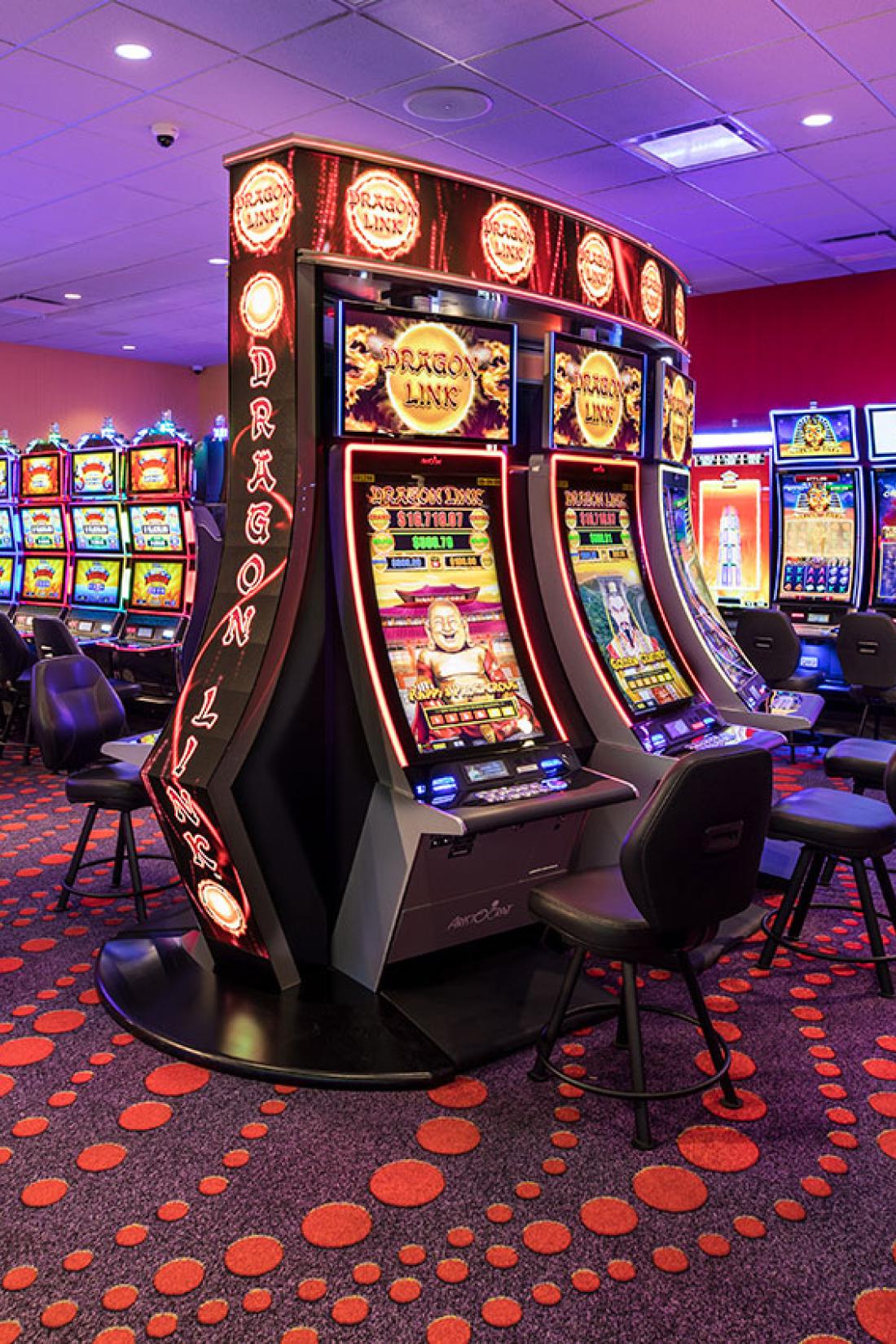
Throughout history, the legal and moral framework surrounding gambling has evolved. As societies industrialized and urbanized, the growth of casinos and betting establishments mirrored changing attitudes. The late 20th century saw a resurgence of interest in legalized gambling in many Western countries, reflecting a shift towards viewing it as a potential source of government revenue and entertainment rather than purely a moral failing.
Cultural Attitudes Towards Gambling
Cultural attitudes towards gambling can significantly influence its perception and acceptance within a society. In many Western cultures, gambling is often associated with entertainment and leisure. Events such as the Super Bowl in the United States, where millions place bets, illustrate how gambling is woven into social fabric. This acceptance is often accompanied by regulations that ensure responsible gaming practices, aiming to mitigate potential negative consequences.
Conversely, in certain cultures, gambling is viewed with skepticism or outright disapproval. For instance, many Islamic nations prohibit gambling entirely, perceiving it as haram, or sinful. This cultural framework shapes not only legal restrictions but also social interactions and individual behaviors concerning gambling. Individuals in these societies may face social ostracism or legal penalties for participating in gambling activities.
The differences in cultural attitudes toward gambling also manifest in the types of games that are popular in various regions. While poker and blackjack thrive in Western casinos, traditional games like Mahjong in China or Pachinko in Japan highlight how cultural heritage influences gambling preferences. These games are not merely recreational but often encapsulate cultural storytelling, community interaction, and national identity.
The Influence of Technology on Gambling Culture
The rise of technology has drastically transformed the gambling landscape, creating new avenues for participation and changing perceptions around the globe. Online gambling platforms have made it easier for individuals to engage in betting activities without geographical restrictions. This accessibility has altered the traditional view of gambling as an exclusive activity reserved for physical establishments, opening it up to a wider audience.
Mobile technology has further enhanced this shift, allowing users to gamble from their devices anywhere and anytime. This convenience, however, comes with concerns about addiction and irresponsible gaming behaviors. Various countries are grappling with how to regulate online gambling, balancing the desire for revenue with the need to protect vulnerable populations. Some jurisdictions have implemented strict regulations, while others have embraced the trend, viewing it as a legitimate business opportunity.
Moreover, advancements in virtual reality and augmented reality are likely to reshape gambling experiences even further. These technologies can create immersive environments that mimic the feel of a real casino, potentially changing how individuals perceive and engage with gambling. This evolution continues to blur the lines between traditional and modern gambling practices, fostering new cultural norms around betting and chance.
Globalization and Cross-Cultural Exchanges
Globalization has played a significant role in shaping gambling perceptions, allowing cultural exchanges to occur at an unprecedented rate. The rise of international travel and digital communication has facilitated the sharing of gambling practices across borders. For example, tourists often bring their gambling habits and preferences to new destinations, influencing local gambling scenes and perceptions.
This cultural exchange can lead to the hybridization of gambling practices. In places like Macau, Western casino models have merged with traditional Chinese gambling customs, creating a unique environment that attracts global visitors. This blending of cultures not only enriches the local gaming experience but also challenges and expands perceptions of what gambling can entail.
Moreover, social media platforms have contributed to the normalization and promotion of gambling activities. Influencers and celebrities often share their gambling experiences, which can shape public perceptions and attitudes towards betting. This exposure may lead individuals to view gambling as a common and acceptable activity, impacting their willingness to engage with it, regardless of their cultural background.
Exploring Twindor Casino’s Role in the Gambling Landscape
Twindor Casino Canada exemplifies how modern online platforms are responding to cultural influences shaping gambling perceptions. Offering a wide array of games, including slots and live dealer options, Twindor aims to cater to diverse player preferences. By providing a user-friendly experience, the casino embraces the technological trends that have revolutionized the gambling industry, allowing players from different cultural backgrounds to engage comfortably.
The platform’s commitment to player satisfaction is evident in its extensive promotional offers and customer support services. New players are welcomed with generous bonuses, encouraging exploration of different gaming options. By prioritizing security and responsible gaming practices, Twindor seeks to promote a positive perception of online gambling, addressing concerns that accompany technological advancements.
As cultural influences continue to evolve, platforms like Twindor Casino serve as examples of how the gambling industry can adapt and thrive. By understanding and responding to diverse cultural attitudes and perceptions, such platforms can play a pivotal role in shaping the future of gambling in a globalized world, making it more accessible and enjoyable for everyone.
